By Isaac Okoro
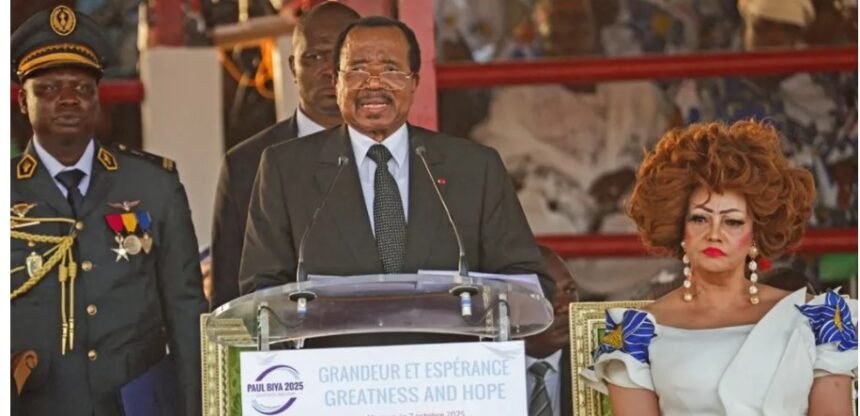
Yaoundé, Cameroon – As Cameroon heads to the polls this Sunday for its presidential election, the nation faces a stark generational divide. At the forefront of the race is 92-year-old Paul Biya, the world’s oldest head of state, who is seeking his eighth consecutive term in power. His plea to voters, that “the best is still to come,” stands in contrast to a population where over 60% are under the age of 25 and express a palpable yearning for change.
Biya, who has held the presidential office since 1982, is on the cusp of potentially ruling for half a century. Despite widespread calls for him to step down, the nonagenarian leader has remained steadfast, defying expectations for his retirement. His campaign has been marked by a notably subdued presence, with critics pointing to a recent 10-day private trip to Europe during the campaign period. A backlash over the perceived reliance on an AI-generated campaign video, while opponents actively engaged with voters on the ground, appears to have prompted a late surge in campaigning. Biya was seen addressing crowds in the vote-rich city of Maroua earlier this week, specifically reaching out to women and young people with promises of prioritizing their concerns. “I will keep my word,” he insisted, urging them to “give me your valuable support once again.”
However, political analysts express skepticism about Biya’s focus on his own tenure. Immanuel Wanah tells the BBC that Biya’s primary objective since coming to power has been survival, “often at the expense of efforts to enhance the living conditions of the country’s citizens.” This perspective is echoed by Dr. Tilarius Atia, who attributes this ingrained survivalist mindset to an abortive coup attempt in 1984.
For a significant portion of Cameroon’s 30 million people, Paul Biya represents the only leader they have ever known. This enduring legacy fuels the frustration of younger generations. Marie Flore Mboussi, a young political activist, is vocal in her desire for “new blood,” believing that “longevity in power inevitably leads to a kind of laziness.” She states, “After 43 years, the people are tired.”
The election takes place against a backdrop of pressing national issues, including rising inflation, security challenges, inadequate social services, pervasive corruption, and a critical unemployment crisis, particularly among the youth. Nearly 40% of young Cameroonians between the ages of 15 and 35 are unemployed, and 23% of young graduates struggle to find formal employment, according to the International Organization for Migration (IOM).
This economic precariousness is driving many young Cameroonians to consider emigration. “Young people are more inclined to emigrate abroad because they tell themselves that inside the country, they do not have the possibility of becoming somebody,” explains 26-year-old graduate Vanina Nzekui. She adds, “They tell themselves that all positions are occupied by older people,” a sentiment that hinders their potential to contribute to their country’s development.

Yet, not all young Cameroonians see age as an insurmountable barrier to leadership. Aziseh Mbi, a 23-year-old civil society activist, believes that age should not be the sole criterion. In Biya’s specific case, Mbi argues that the president has achieved “significant things,” citing several youth-focused initiatives.
As Cameroon prepares to cast its votes, the election presents a critical juncture for the nation. The enduring presence of its veteran leader faces a growing surge of youthful aspiration, highlighting a deep-seated desire for fresh perspectives and tangible solutions to the myriad challenges confronting the country. The outcome on Sunday will likely signal whether Cameroon will continue on its well-trodden path or embrace a new era under potentially younger leadership.