By Jeremy Stein
WASHINGTON D.C. – The United States has announced significant new visa restrictions affecting citizens of 31 African countries, dramatically limiting the validity and entry parameters for non-immigrant and non-diplomatic visas. The measure, announced by the Trump administration, will confine these visas to a single entry with a validity period of just three months.
While the specific rationale behind these extensive restrictions was not immediately provided by the U.S. government, they mark a notable tightening of travel policies for a large segment of the African continent. Under the new directive, individuals from the affected nations seeking recreational, business, or educational visits to the U.S. will be granted visas valid for only three months and permitting only one entry.
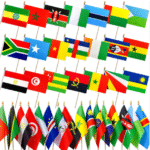
The wide-ranging restrictions encompass countries across West, Central, East, and Southern Africa. The nations impacted include:
- West Africa:Â Benin, Burkina Faso, Cabo Verde, Gambia, Ghana, Niger, Nigeria, Sierra Leone, Togo
- Central Africa:Â Angola, Cameroon, Chad, Congo Brazzaville, Congo DR, Equatorial Guinea
- East Africa:Â Burundi, Eritrea, Ethiopia, Madagascar, Malawi, Mozambique, Somalia, South Sudan, Sudan, Tanzania, Uganda
- Southern Africa:Â Zambia, Zimbabwe
These new restrictions will apply to all visas issued on or after July 8, 2025. Importantly, visas issued prior to this date will remain valid until their original expiration, providing a grace period for current visa holders and those planning travel before the effective date.
The implications of these restrictions are expected to be far-reaching, potentially impacting various sectors including tourism, education, business, and family reunification. Critics argue that such broad measures without clear justification could strain diplomatic relations between the U.S. and African nations, hindering collaboration on critical issues.
The absence of a clear, publicly stated reason for targeting such a large number of African nations has raised questions among observers and is anticipated to elicit responses from the affected governments and advocacy groups. As of [Current Date], no official statements have been made by the governments of the listed countries regarding the new policy.
The move represents a notable shift in U.S. immigration and travel policy towards Africa, potentially reshaping future engagement and mobility between the continent and the United States.