By Peter Halima
Antananarivo, Madagascar – The office of Madagascar’s President Andry Rajoelina has issued a dramatic statement claiming that an attempt to seize power illegally and unconstitutionally is currently underway in the country, raising fears of renewed political instability on the island nation.
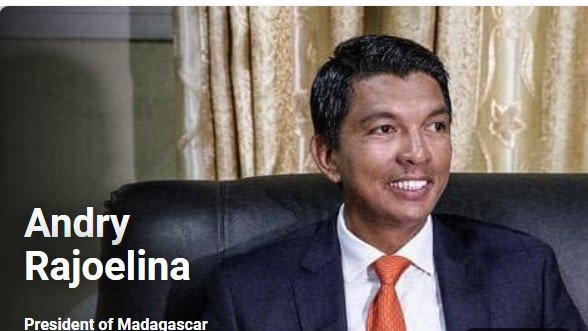
The accusation, delivered by Rajoelina’s office on Sunday, follows a period of escalating popular protests against his administration and notably comes just one day after a key military unit publicly condemned the use of force against demonstrators.
President Rajoelina condemned the alleged destabilization effort, stating in a translation: “There is an attempt to seize power at this time in the territory of the Republic, in complete violation of the Constitution and democratic principles.” He called upon all of the nation’s key forces to unite immediately in defense of the constitutional order and national sovereignty.
Military Unit Issues Crucial Condemnation
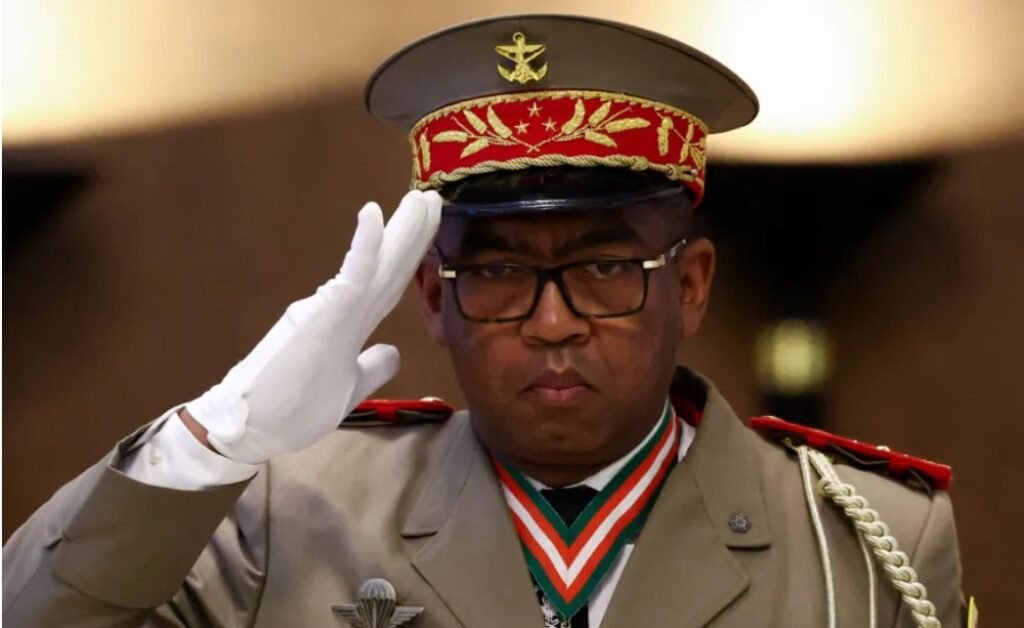
The president’s urgent statement appears to be directly linked to a critical intervention made on Saturday by an influential army unit known as CAPSAT (Corps of Administrative and Technical Staff of the Army).
CAPSAT publicly condemned the heavy-handed approach used by security forces in handling recent protests in the capital, Antananarivo. This public critique is particularly significant given the unit’s history. CAPSAT played a crucial, and controversial, role in the 2009 Malagasy political crisis, which facilitated Rajoelina’s initial rise to power. Their current stance signals potential division within the security apparatus upon which the government relies.
Protests Escalate Beyond Utilities
Madagascar was initially hit by protests beginning on September 25, sparked by widespread dissatisfaction over basic service failures, specifically chronic water and power cuts.
However, the demonstrations have quickly escalated beyond utility grievances, morphing into expressions of broader dissatisfaction with Rajoelina’s government. Protesters are citing high unemployment rates, pervasive corruption, and a severe cost-of-living crisis afflicting the population.
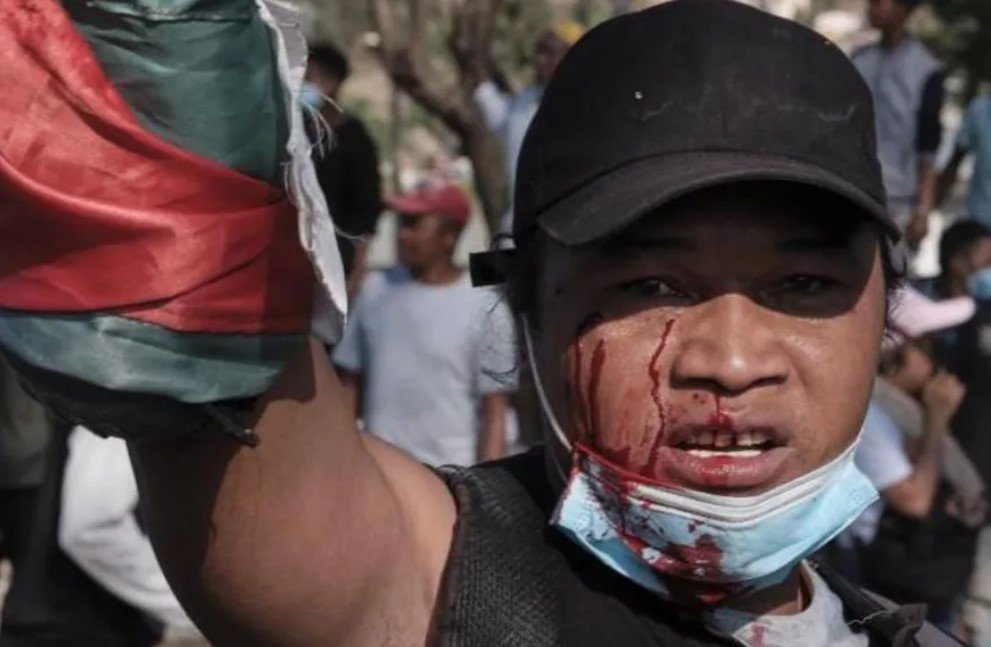
The president, who returned to power in 2019 after previously serving as transitional leader, now faces a major challenge as civil unrest intersects with apparent fissures within the military command, creating a volatile domestic situation that observers fear could rapidly deteriorate into a political crisis similar to those that have plagued the country in previous decades.