By Emmanuel Sikena
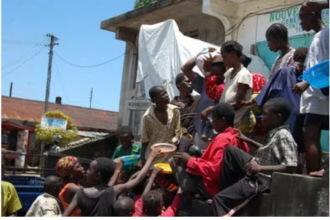
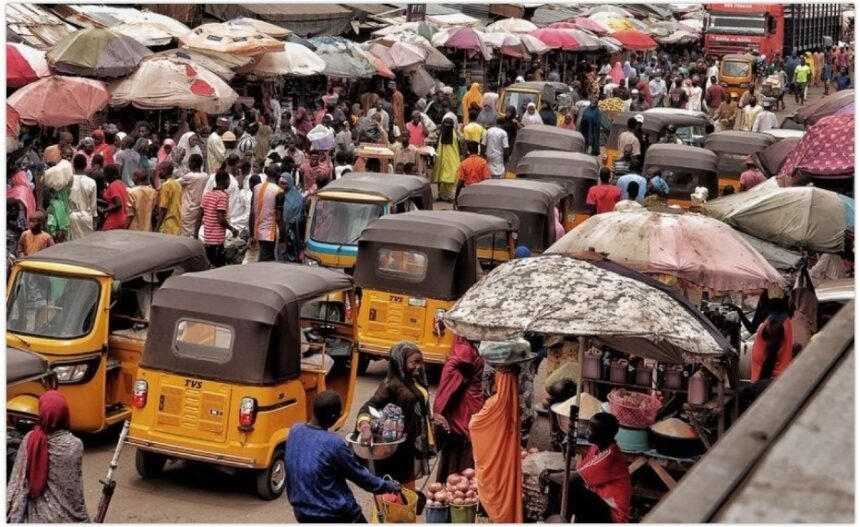
Abuja, Nigeria – Despite a Nigerian economy showing signs of stabilization and bolstered by abundant natural resources, a staggering number of citizens remain ensnared in poverty, according to a recent assessment by the World Bank. At least 139 million Nigerians are currently living below the poverty line, highlighting a significant disconnect between macroeconomic improvements and the daily realities of most citizens.
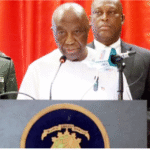
Mathew Verghis, the World Bank Country Director for Nigeria, acknowledged the government’s “bold measures” in implementing economic reforms. He specifically pointed to the removal of fuel subsidies and the unification of exchange rates as key initiatives that have demonstrably improved national revenue, debt indicators, and foreign reserves, while also contributing to a moderation of inflation.
However, Verghis sounded a clear note of caution. “Millions of Nigerians have yet to feel the benefits of these reforms,” he stated, emphasizing the urgent need to translate macroeconomic gains into tangible welfare improvements for the populace. The World Bank’s assessment underscores the persistent challenge of ensuring that economic recovery translates into widespread prosperity and poverty reduction.
The World Bank reiterated its dedication to assisting Nigeria in navigating its reform agenda. Verghis affirmed the institution’s commitment to providing policy advice, technical assistance, and financial support. These interventions are intended to accelerate progress towards sustainable development and foster a future of shared prosperity for all Nigerians, bridging the gap between national economic performance and the well-being of its people.
Nigeria, Africa’s most populous nation and largest economy, stands at a critical juncture. Despite boasting a vast reservoir of educated professionals, a vibrant entrepreneurial spirit, and a growing number of innovative minds, its social and economic progress remains significantly hampered by the pervasive twin evils of corruption and widespread poverty. This stark paradox highlights how political choices and systemic failures continue to hold the country back from realizing its immense potential.
At the heart of Nigeria’s underdevelopment is systemic corruption. Billions of dollars, intended for crucial infrastructure, education, healthcare, and job creation, are siphoned off annually through various illicit channels. This grand larceny cripples’ public institutions, erodes public trust, and creates an uneven playing field, deterring both domestic and foreign investment. Reports by international bodies consistently flag Nigeria as one of the countries most affected by illicit financial flows, much of which originates from public funds.
The direct consequence of this financial haemorrhage is widespread poverty. Despite being a major oil producer and having a significant GDP, over 80 million Nigerians live below the poverty line, struggling with inadequate access to basic necessities like clean water, electricity, and quality healthcare. The stolen wealth directly translates into dilapidated schools, non-existent modern healthcare facilities, and a lack of economic opportunities, particularly for the burgeoning youth population.
Yet, this dire situation exists alongside an extraordinary human resource base. Nigeria’s educational institutions annually churn out hundreds of thousands of graduates, many of whom possess world-class skills and innovative ideas. From tech entrepreneurs building local solutions to global challenges, to medical professionals excelling in diaspora, and creative industries setting global trends, the human potential within Nigeria is undeniable and truly its greatest asset. Many Nigerians studying abroad consistently top their classes and contribute significantly to host economies.
The glaring disjunction between this potential and the harsh reality is largely attributed to political mis-governance and a persistent pattern of poor policy choices. A political culture often characterized by short-term vision, patronage, and a lack of accountability prioritizes personal gain over national development. Decades of reliance on oil revenues have stifled genuine efforts to diversify the economy and invest strategically in human capital, manufacturing, and agriculture, leaving millions vulnerable to global commodity price fluctuations and a dwindling job market.
This environment fosters deep disillusionment among the youth and fuels a significant ‘brain drain,’ as many of Nigeria’s brightest minds seek opportunities and stability abroad. The resulting lack of job creation, coupled with pervasive inequality, also contributes to social unrest and insecurity across various regions of the country.
However, amidst these daunting challenges, there is a persistent clamor for change. Civil society organizations, a vibrant media, and a growing number of youth activists are tirelessly advocating for transparency, accountability, and fundamental reforms in governance. There’s a nascent movement championing local innovation and attempting to build resilient economic ecosystems despite the headwinds.
Nigeria’s journey towards realizing its full potential is a powerful test of political will. Overcoming the entrenched obstacles of poverty and corruption will require sustained political commitment, a strengthened rule of law, and a collective determination to harness the extraordinary talents of its people, transforming the nation’s paradox into a beacon of progress for Africa and beyond. The choices made by its leadership in the coming years will determine whether this nation of innovators can break free from the shackles of its past.